

INSIDE THE BOOK / PAT MESITI & CONTRIBUTORS
The trainer takes the mouse. The form gets finished. The worker still cannot do it alone.
Rob Hockings describes an experienced employee searching for an inspection form in software whose menu calls the section "Assets." Taking over clears the delay. It leaves the confusion untouched.
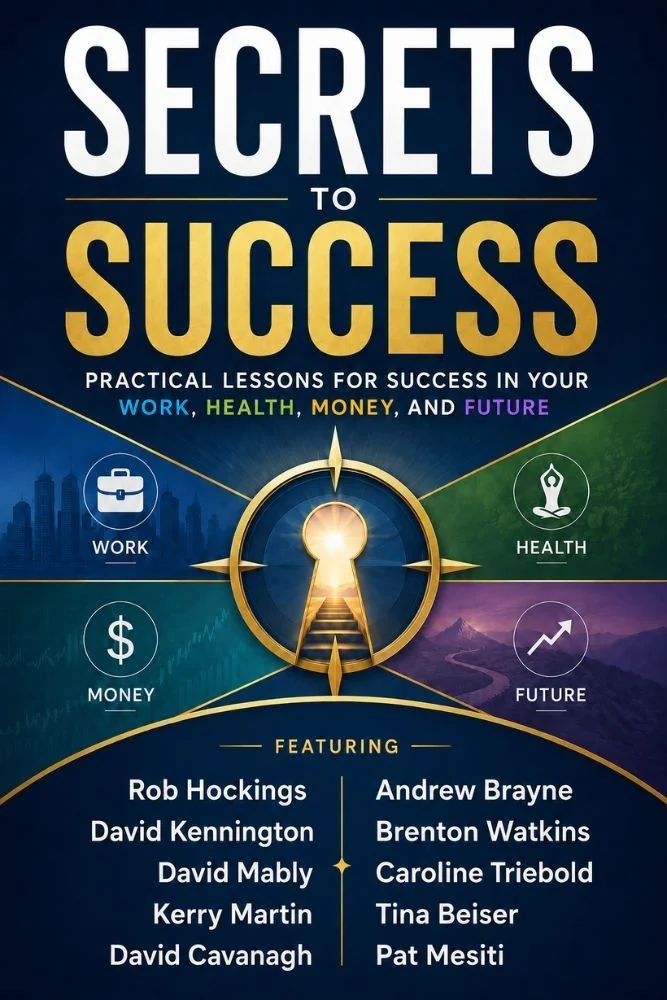
Secrets to Success connects moments like this across Pat Mesiti and his students' chapters. An expensive house, recurring debt, workplace tension and an unfinished garden all invite a quick explanation. The more useful journey is to observe the problem, understand what is missing and choose an action that addresses it.
Understand before you take over
In "The First Attempt", Rob Hockings distinguishes completing training from performing independently. His Intuitive Flow moves through observing, understanding, breaking the task down, attempting, refining and repeating. The learner needs a safe attempt and a correction they can use, including how to recover when something goes wrong.
Andrew Brayne applies close attention to workplace conflict in "From Tension To Clarity". His STAR Model asks people to stop, think, attend to the other person and respond with respect and reframing, then secure clear agreements. A concern about an operational risk can easily be mistaken for opposition to the person making a decision.
Andrew writes, "Listening is not agreement." Understanding the issue helps you address it more precisely. Serious misconduct and safety concerns may still require formal action.
These chapters establish the first step: leave enough room for the problem to become visible. Rob needs to see where the learner gets lost. Andrew needs to hear what the other person means before an assumption hardens into a dispute.

Rob Hockings
Chapter 1: The First Attempt
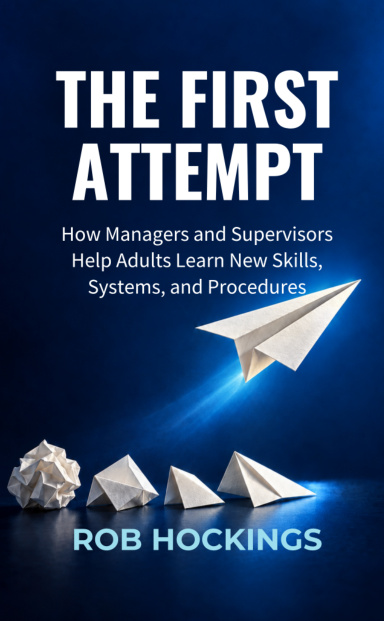 MINI BOOKThe First Attempt: Rob HockingsView paperback on Lulu

Andrew Brayne
Chapter 2: From Tension To Clarity
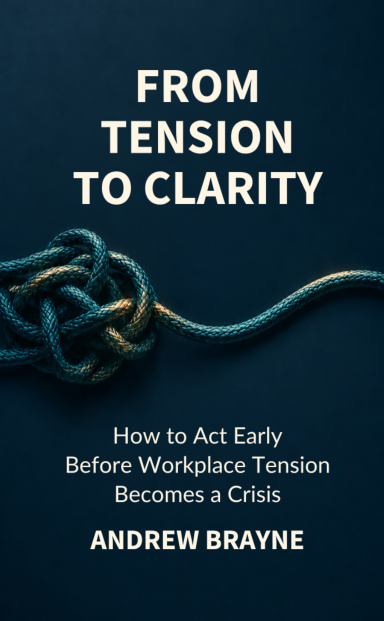 MINI BOOKFrom Tension To Clarity: Andrew BrayneView paperback on Lulu
Find the pattern before paying for a fix
David Kennington brings a second apprenticeship into "You Learned The Trade. Who Taught You The Money?". Trained to diagnose machinery, he still had to learn how recurring household expenses affected his money. A consolidation loan cleared a card balance without preparing the household for the next airfare, registration or appliance expense.
His 4T Method starts with tracking the position, trimming unused or low-value spending and giving released money a purpose. The longer-term growth ambition is not a promise of multiplying every dollar by three. The immediate lesson is to understand the recurring pattern before choosing another financial product.
Brenton Watkins applies that discipline to an alarming energy bill in "The House Costs Too Much to Run". At a home he assessed, shaded solar collectors, a continuously running pump, heat loss from pipes and numerous halogen lights all contributed. The bill alone could not reveal which change would help.
Both chapters make the next decision more informed. David Kennington looks at commitments and timing. Brenton looks at the systems operating in the house. A purchase should answer an identified problem; the appropriate professional can help establish what the evidence means.

David Kennington
Chapter 3: You Learned The Trade. Who Taught You The Money?
 MINI BOOKYou Learned The Trade. Who Taught You The Money?: David KenningtonView paperback on Lulu

Brenton Watkins
Chapter 4: The House Costs Too Much to Run
 MINI BOOKThe House Costs Too Much To Run: Brenton WatkinsView paperback on Lulu
Finish something useful, then make it repeatable
David Mably describes six garden jobs running at once in "The Garden That Swallowed The House". Some depended on others: a retaining wall had to precede preparation for a carport, which also required a wider driveway. The order mattered.
His practical approach starts by seeing what is there, understanding the owner's priorities and planning work in a useful sequence. A garden for quiet morning tea needs different decisions from one meant for children's play. Qualified help belongs in work involving large or hazardous trees.
Dr. Caroline Triebold brings everyday repetition into "Health Is Your Wealth". Her examples include making a water bottle visible, choosing an enjoyable activity and involving children in growing tomatoes or preparing food. These are examples from her approach to routines, not evidence of a treatment effect.
The connection is the work that remains after the first burst of enthusiasm. David Mably considers maintenance and sequence. Caroline considers familiarity and participation. A useful beginning needs somewhere to fit again tomorrow.

David Mably
Chapter 5: The Garden That Swallowed The House
 MINI BOOKThe Garden That Swallowed The House: David MablyView paperback on Lulu

Dr. Caroline Triebold
Chapter 6: Health Is Your Wealth
 MINI BOOKHealth Is Your Wealth: Dr. Caroline TrieboldView paperback on Lulu
Account for effort you cannot see
Kerry Martin describes the work hidden inside an ordinary conversation in "Beyond The Pain". Pain and fatigue occupy attention while she tries to listen and remain present. A canceled plan may follow considerable effort already spent deciding what she can manage.
Tina Beiser gives unseen work another form in "It's All About The View". During financial trouble, she carried rocks from a paddock to build garden walls. When the school bus appeared, she hurried back to a house where breakfast dishes still waited. Later, visitors admired the garden and called her lucky, without knowing the circumstances behind it.
Kerry and Tina interrupt a lazy measurement of success. The visible result tells only part of the story. Before demanding more, understand what the task requires from this person and what else they are carrying.

Kerry Martin
Chapter 7: Beyond The Pain
 MINI BOOKBeyond The Pain: Kerry MartinView paperback on Lulu

Tina Beiser
Chapter 8: It's All About The View
 MINI BOOKIt's All About The View: Tina BeiserView paperback on Lulu
Give the next attempt a purpose
David Cavanagh argues for focused application in "From Low Self-Esteem To Massive Action". Pat Mesiti connects that action to a future worth pursuing in "From Vision To Personal Reinvention Miracle". Pat's example of a friend retraining alongside employment and family includes practical questions concerning hours, study space and support.

David Cavanagh
Chapter 9: From Low Self-Esteem To Massive Action
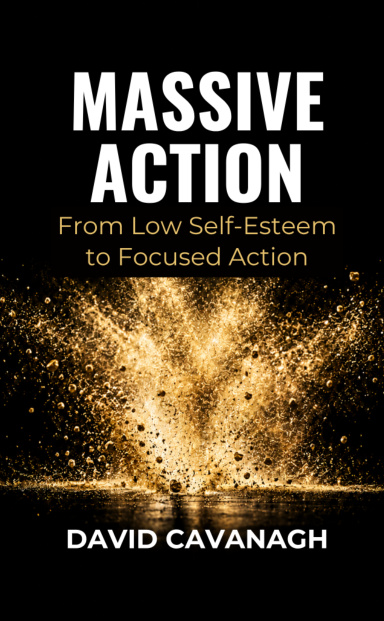 MINI BOOKMassive Action: David CavanaghView paperback on Lulu

Pat Mesiti
Chapter 10: From Vision To Personal Reinvention Miracle
 MINI BOOKReinvent Your Life: Pat MesitiView paperback on Lulu
Rob's training room, Andrew's conversations, David Mably's garden work and Tina's home all reward a closer look. What appears effortless from the outside often rests on practice, choices and problems someone has learned to solve. Secrets to Success lets those experiences speak to one another, bringing the reader from an impressive result back to the human work that made it possible.
That is the reason to read the whole collection. The chapter that helps you teach may also change how you lead. A lesson in arranging work may help you understand why someone is struggling. Kerry's account adds the effort that remains invisible, while Pat's vision asks what all that effort is meant to serve. Pat and his students give success depth through their different experiences, leaving you with more to consider than a single method or an appealing result.
Get your copy of Secrets to Success and read the complete collection. Discover the decisions behind these stories, then bring that closer attention to the success you want to build.
GET THE COMPLETE BOOK
Secrets to Success
Read the chapters together and follow the lessons across the whole book. Get the complete book on Amazon Kindle or listen on Audible.
