

INSIDE THE BOOK / PAT MESITI & CONTRIBUTORS
To one partner, the garage boxes were obsolete equipment. To the other, they held a business dream the couple had once shared.
Diane Talbot could clear the floor. First, she needed to understand the disagreement.
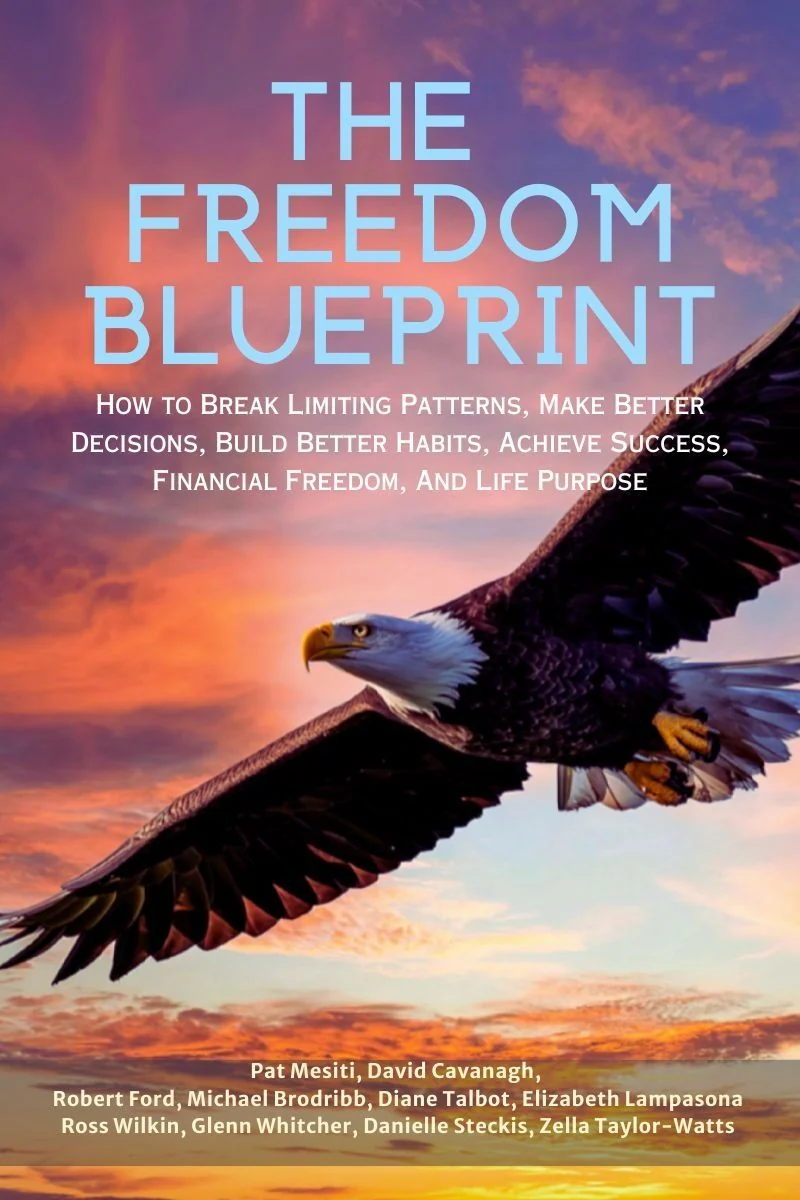
The Freedom Blueprint brings Pat Mesiti and his students to that step before action. A cluttered room, a debt problem, a building decision and an automatic emotional response require different kinds of work. The chapters connect freedom with understanding the constraint, making informed choices and building a life those choices can support.
Understand the response you keep repeating
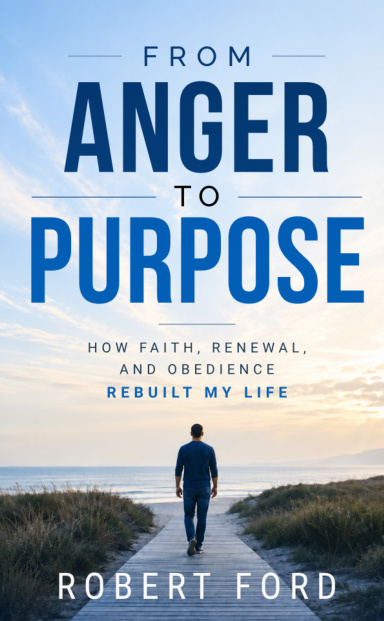
Robert Ford examines an old personal code in "From Anger To Purpose": never bully, never be bullied and never back down. Looking back, he identifies the last rule as pride. What felt protective also kept him ready for confrontation. His Christian faith shapes his account of change.
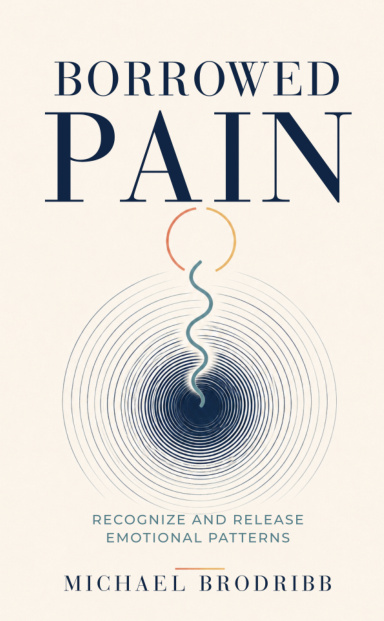
Michael Brodribb examines recurring reactions in "Borrowed Pain". He describes recognizing qualities in his son that he struggled to accept in himself. Knowing how he wanted to behave did not immediately stop the response he regretted.
These chapters begin the journey with observation. What happens repeatedly? What meaning do you attach to it? Where is there room to pause or seek help before the familiar response takes over?

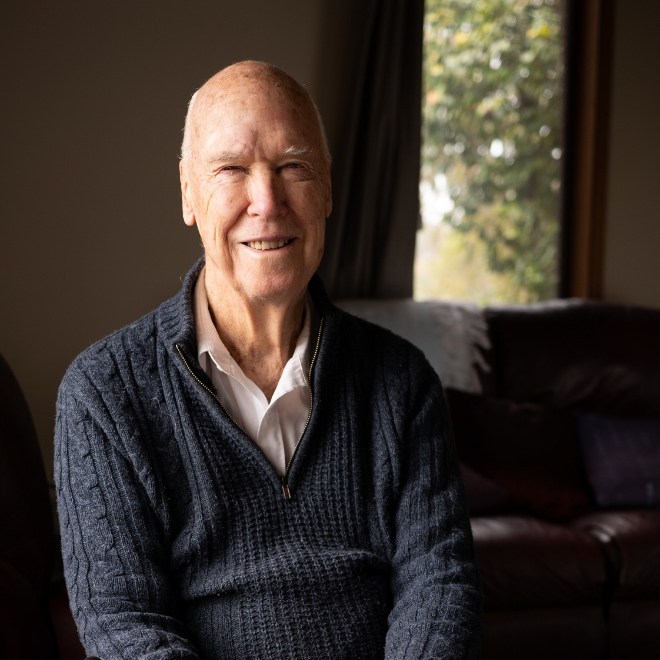
Robert Ford
Chapter 1: From Anger To Purpose | How Faith, Renewal, And Obedience Rebuilt My Life
 MINI BOOKFrom Anger To Purpose: Robert FordView paperback on Lulu
Michael Brodribb
Chapter 2: Borrowed Pain | Recognize And Release Emotional Patterns
 MINI BOOKBorrowed Pain: Michael BrodribbView paperback on Lulu
Make the home a shared decision
In "Declutter Your Mind", Diane Talbot pauses when one partner reaches for a box and the other stiffens. Discussing what the contents represented let practicality and disappointment enter the same conversation. The couple eventually chose to keep one small item and release the rest together.
Diane's conclusion is pointed: "You can't declutter someone into clarity." A tidy garage achieved by overruling a partner would leave a different problem in the home.
Glenn Whitcher applies shared understanding before construction in "Build It Right". He asks prospective owners to distinguish household needs from optional features and understand the land, build and possible additional costs. His experience as both building professional and client reinforces the value of honest explanations and written decisions.
These chapters connect freedom with participation. The people living with a decision need a say in it. A home should serve its occupants, whether the task is clearing a shelf or choosing a builder.

Diane Talbot
Chapter 3: Declutter Your Mind | Release Emotional Weight And Reclaim Peace
 MINI BOOKDeclutter Your Mind: Diane TalbotView paperback on Lulu

Glenn Whitcher
Chapter 6: Build It Right | Avoid Costly Mistakes And Make Confident Decisions Choosing Your Perfect Home Builder
 MINI BOOKBuild It Right: Glenn WhitcherView paperback on Lulu
Make the money problem visible
Elizabeth Lampasona describes leaving mail unopened and avoiding unidentified calls in "Breathe Again". Financial pressure made the next demand difficult to face, while the obligations continued.
Her property-based retirement plans had become harder to sustain after business setbacks, rising costs and Queensland flood damage. Her account shows why making the current position visible matters. Recording expenses, debts and repayments gives a conversation with an appropriate professional something concrete to examine; it does not automatically make a particular refinancing option suitable.
Ross Wilkin asks what the money is meant to support in "Broke By Default". Beginning work in a bank at fifteen did not mean he understood his own financial future. Later experience and mentorship led him to question assumptions concerning earning, spending and the life those habits were producing.
Elizabeth clarifies the present position. Ross gives financial learning a longer purpose. A future vision becomes more useful when it is connected to obligations that need attention today.

Elizabeth Lampasona
Chapter 4: Breathe Again | Break the Debt Cycle And Rebuild Your Finances
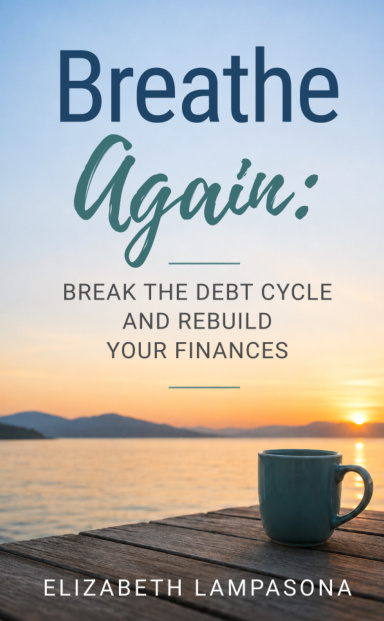 MINI BOOKBreathe Again: Elizabeth LampasonaView paperback on Lulu

Ross Wilkin
Chapter 5: Broke By Default | Escape The 95% And Build Real Financial Freedom
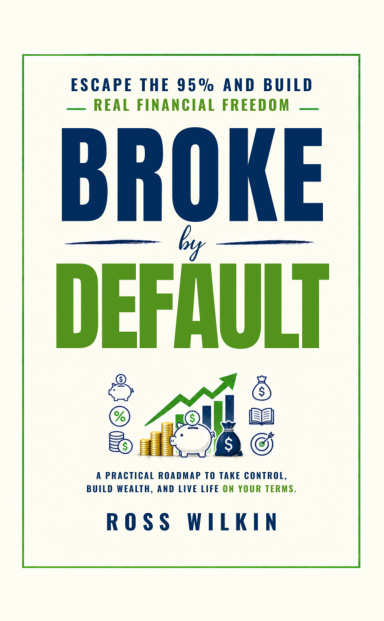 MINI BOOKBroke By Default: Ross WilkinView paperback on Lulu
Let conviction serve the people around you
Danielle Steckis discusses Christian discernment in "When God Speaks". Recording a dream, considering its context and reflecting prayerfully belong to her faith practice. She also warns against using dreams to control other people. A strong interpretation does not remove responsibility for timing, tone and the person receiving it.
Zella Taylor-Watts gives legacy a familiar shape in "When Heaven Drew Near". Her family remembers her husband Grant Charles Taylor through stories, birthdays and his favorite lemon meringue pie. The habits and memories carried forward give the relationship a continuing presence.
Read beside Diane's garage story, these chapters make a consistent demand: keep people inside the decision. Possessions, beliefs and financial ambitions have meaning because of the lives they touch.
Danielle Steckis
Chapter 7: When God Speaks | Discern His Voice And Grow In Clarity
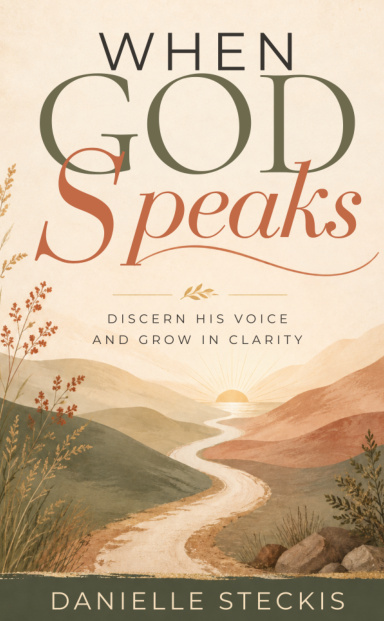 MINI BOOKWhen God Speaks: Danielle SteckisView paperback on Lulu

Zella Taylor-Watts
Chapter 8: When Heaven Drew Near | How One Moment Can Change The Way You Live
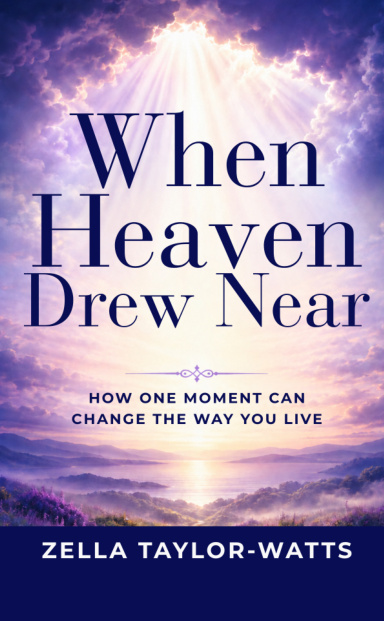 MINI BOOKWhen Heaven Drew Near: Zella Taylor-WattsView paperback on Lulu
Build the freedom you have actually defined
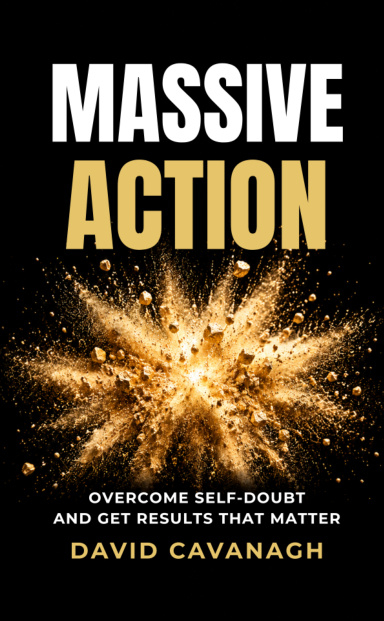
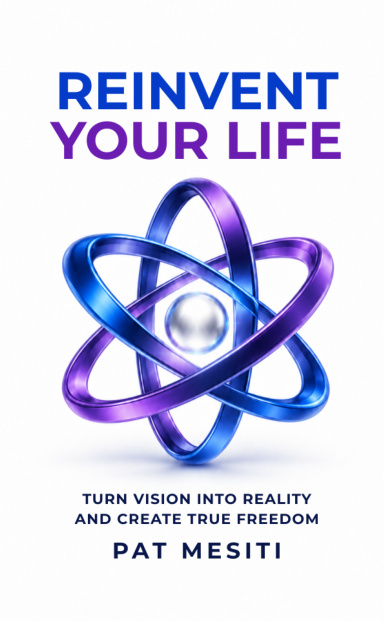
David Cavanagh connects understanding with implementation in "Massive Action". Pat Mesiti gives the work a future in "Reinvent Your Life". His discussion of retraining includes counting the time required and finding support around continuing responsibilities.

David Cavanagh
Chapter 9: Massive Action | Overcome Self-Doubt And Get Results That Matter
 MINI BOOKMassive Action: David CavanaghView paperback on Lulu

Pat Mesiti
Chapter 10: Reinvent Your Life | Turn Vision Into Reality And Create True Freedom
 MINI BOOKReinvent Your Life: Pat MesitiView paperback on Lulu
The Freedom Blueprint brings freedom home to the decisions that make it real. Diane's shared space needs a shared conversation. Elizabeth's finances need to be faced. Michael's reactions need examination. Glenn's plans need clear choices before the work begins. Zella's story asks what the life you build will leave with the people you love. These chapters belong together because each decision affects room you will have for the next.
Pat and his students explore freedom across emotions, money, home, faith and responsibility. Owning the complete collection gives you more ways to examine what is restricting your choices and what you want greater freedom to make possible. You can follow the discussion from an immediate pressure to the larger life around it, with Pat's vision for reinvention giving the practical work a direction. The goal becomes more personal, and more worth pursuing, as the stories accumulate.
Get your copy of The Freedom Blueprint. Read the entire collection and begin defining a freedom that includes the work, relationships and future you want to choose.
GET THE COMPLETE BOOK
The Freedom Blueprint
Read the chapters together and follow the lessons across the whole book. Get the complete book on Amazon Kindle or listen on Audible.
