

INSIDE THE BOOK / PAT MESITI & CONTRIBUTORS
Mick Dale could work longer. His bench-top mincer would still be too slow.
He had customers and years of butchery experience. Processing trim into mince and sausages was consuming hours. A commercial mixer mincer and generator changed what he could get through on-site. The bottleneck needed a better tool.
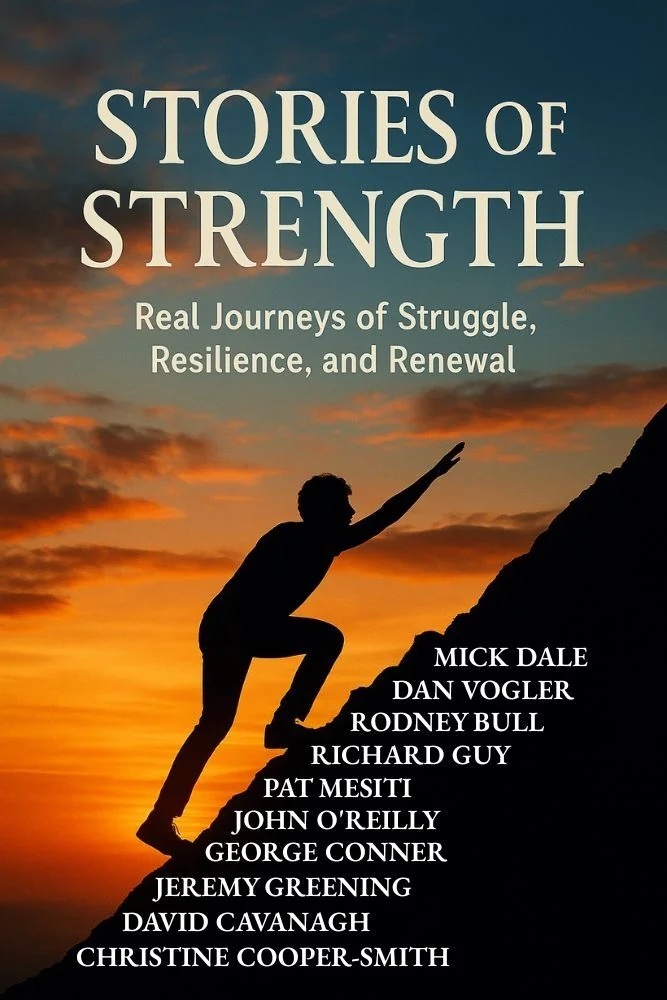
Stories of Strength brings Pat Mesiti and his students to several forms of resilience: skilled practice, honest boundaries, practical support and the willingness to change a failing arrangement. The chapters help you choose the response your situation needs instead of treating every difficulty as a test of endurance.
Name what is difficult
Christine Cooper-Smith describes communicating what she could and could not handle while living with epilepsy in "Quiet Strength". Independence included other people understanding her needs. A limit could protect her ability to participate in something she valued.
Jeremy Greening makes honesty part of receiving support in "Keep Moving Forward And Thrive". Drawing on pastoral care through grief, burnout and loss, he shows how admitting that something hurts gives the person beside you a place to begin. Saying everything is fine can close that opening.
These chapters establish the first stage of strength: an accurate account of the situation. You cannot make a useful adjustment to a need nobody is allowed to acknowledge.
Christine Cooper-Smith
Chapter 2: Quiet Strength

Jeremy Greening
Chapter 4: Keep Moving Forward And Thrive
Examine the conditions around the effort
George Conner looks at learning environments in "Systems Over Struggle". Distractions, breaks, relationships and the surroundings all affect a student's work. Changing one condition and observing the response gives effort something specific to accomplish.
Rodney Bull recalls his mother dividing money into envelopes for rent, food, petrol and bills in "Built From the Struggle". Discipline was already present. The family still had little room for error and sometimes moved money between envelopes to meet a demand.
Their chapters challenge a careless judgment about people who struggle. The student may need a different setup. The household may already be working hard within severe constraints. Understanding the conditions helps you decide what kind of support could matter.

George Conner
Chapter 6: Systems Over Struggle

Rodney Bull
Chapter 1: Built From the Struggle
Build the craft with useful repetition
Dan Vogler found room to make mistakes while playing guitar and singing with others at church. In "The Sound That Stayed", encouragement came with an opportunity to practice without carrying the whole performance. Later, his teaching emphasized hearing a clean chord before rushing onward.
Mick Dale's "Blood And Grit" begins with apprenticeship at sixteen. Cleaning and hauling were part of the work, alongside watching skilled butchers, maintaining tools and developing timing and precision. Years later, that experience helped him recognize the equipment bottleneck in his own business.
The connection is productive practice. Dan needs time to hear and improve the sound. Mick needs instruction and tools suited to the workload. Both stories show effort becoming more valuable when the conditions help it produce learning or useful work.

Dan Vogler
Chapter 7: The Sound That Stayed

Mick Dale
Chapter 8: Blood And Grit
Question carefully, then choose a response
John O'Reilly raises questions concerning food, medicine and environmental conditions in "Wellness Gone Wrong". His account moves from personal observations into broad claims concerning illness. Those observations do not establish the medical conclusions; questions affecting your health belong in a discussion with a qualified clinician.
Richard Guy grounds "Get Unstuck" in the collapse of a landscaping and grounds-maintenance business. Competitive pressure, a forced sale and the loss of the family home disrupted work and identity. Support from family, friends and others mattered while he considered what could follow.
Richard distinguishes accepting reality from approving it. You can acknowledge a loss without declaring it beneficial. That lets the next decision begin from the circumstances that exist.
This stage moves from dissatisfaction to an informed response. A question needs investigation. A loss needs acknowledgment. An attempt needs enough room to reveal what should happen next.

John O'Reilly
Chapter 3: Wellness Gone Wrong

Richard Guy
Chapter 5: Get Unstuck
Choose the kind of strength the next stage needs
David Cavanagh argues for focused follow-through in "The Power of Massive Action". Pat Mesiti gives that effort a direction and practical support in "Reinvent Yourself". His example of learning while work and family continue includes the help and time required.

David Cavanagh
Chapter 9: The Power of Massive Action | Overcome Low Self-Esteem And Achieve Amazing Success

Pat Mesiti
Chapter 10: Reinvent Yourself | Transform Your Dreams Into Reality To Find Freedom
Stories of Strength broadens what strength can look like. Mick changes the equipment. Christine sets a boundary. George examines the environment. Dan keeps practicing with support. Richard faces what a loss requires of him. Read together, these accounts give you several ways to respond when the demand in front of you feels greater than the resources you have.
That variety makes the complete book worth your time. Pat and his students bring resilience into homes, workplaces, relationships and the effort of learning something difficult. Their chapters help you notice when persistence needs a better tool, when responsibility includes asking for help and when the next useful move begins with accepting the situation. Pat's vision draws the discussion toward a future you can still help shape. Strength takes on more possibilities as each voice joins the collection.
Get your copy of Stories of Strength and read the full book. When the next hard season arrives, give yourself more experiences, questions and possibilities to draw on.
GET THE COMPLETE BOOK
Stories of Strength
Read the chapters together and follow the lessons across the whole book. Get the complete book on Amazon Kindle or listen on Audible.
