

INSIDE THE BOOK / PAT MESITI & CONTRIBUTORS
Peter Lombardo's team pulled away. He added more rules.
Conversations changed when he entered the room. Good people left. Productivity fell. The harder he tried to impose order, the less connected the team became. Eventually, he had to consider his own part in the problem.
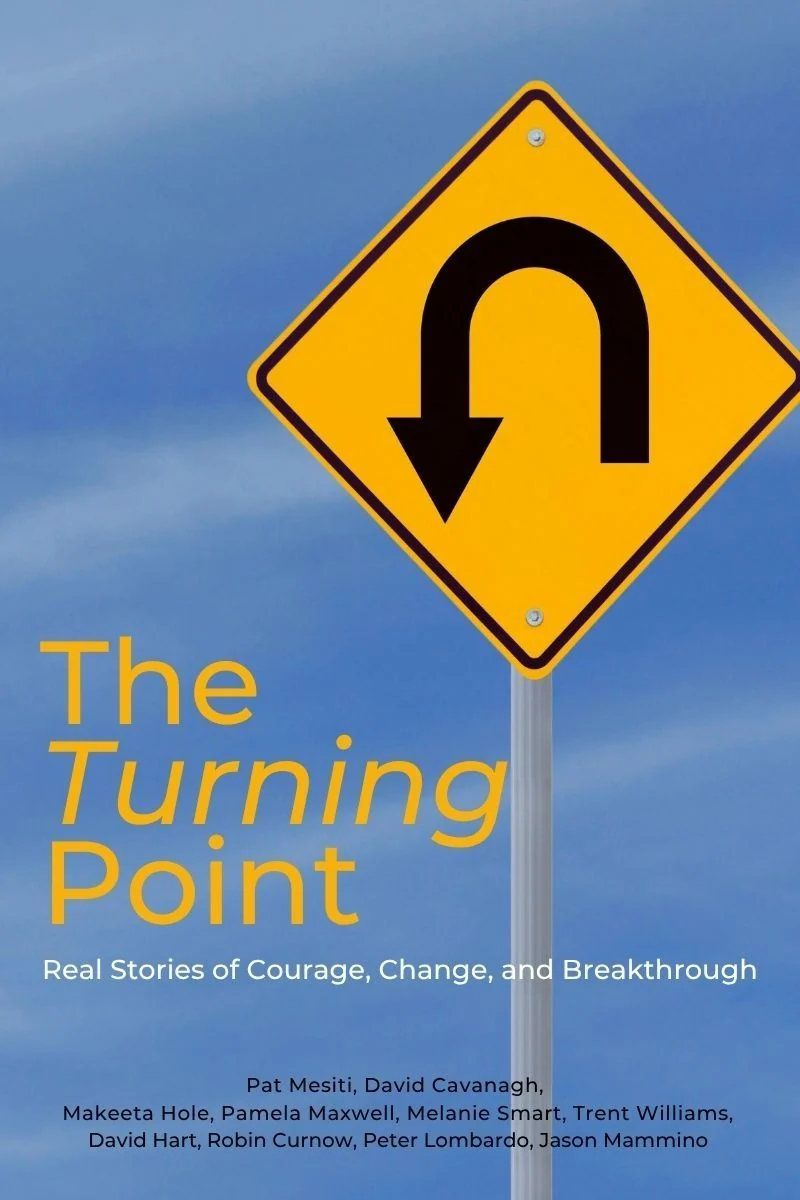
The Turning Point brings Pat Mesiti and his students to that uncomfortable moment. A crisis can force your attention, but the turn happens in the response: a different conversation, a request for help or a change in how you treat another person. The chapters show what makes that response possible and what it takes to keep practicing it.
Make the necessary conversation possible
Melanie Smart describes a couple exhausted by arguments in "Effective Couple Communication". They wrote concerns down and brought them to an agreed meeting with rules they had developed together. Knowing a discussion was scheduled helped them stop reopening every issue throughout the week.
The meeting required more than waiting for a turn to speak. Reflective listening meant repeating the other person's meaning accurately and checking whether they felt understood.
Trent Williams faces the difficulty of beginning a conversation in "Life Beyond Debts". Bankrupt at 51 in 2018, he describes warning signs he ignored and shame that delayed seeking help. His wife's support mattered, while financial decisions still needed appropriate expertise.
Melanie's couple needed a better way to talk. Trent needed to stop postponing disclosure. Both chapters give change a first practical step: arrange the conversation that lets the problem be understood.

Melanie Smart
Chapter 3: Effective Couple Communication | Transforming Differences And Conflict In Our Relationships
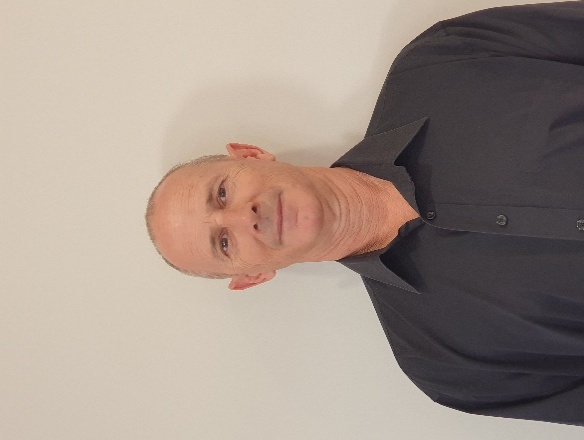
Trent Williams
Chapter 4: Life Beyond Debts | Escape Debt, Recover From Hardship, And Build A Stronger Future
Separate old blame from present responsibility
Pamela Maxwell discovers that forgiving the man who harmed her family did not remove the blame she directed at herself. In "Forgive Yourself To Enjoy True Emotional Freedom", she examines the accusations she kept returning to concerning what she should have known or prevented.
David Hart describes an inherited judgment in "From Stuck to Unstoppable! Unlock The Life You Were Born To Live". Growing up as Pro Hart's son brought opportunities alongside insecurity. Leaving home did not automatically remove the feeling that he would never measure up.
Jason Mammino confronts a response affecting someone else in "Fear Is Poison". A friend pointed out the frightened expression on his young son's face when Jason lost his temper. Jason recognized a pattern connected with his own abusive upbringing appearing in his behavior as a father.
These chapters demand careful distinctions. Pamela questions blame she has carried. David Hart examines a judgment about his worth. Jason takes responsibility for conduct his child is experiencing now. A turning point becomes more useful when you identify whose action needs attention and what can actually change.
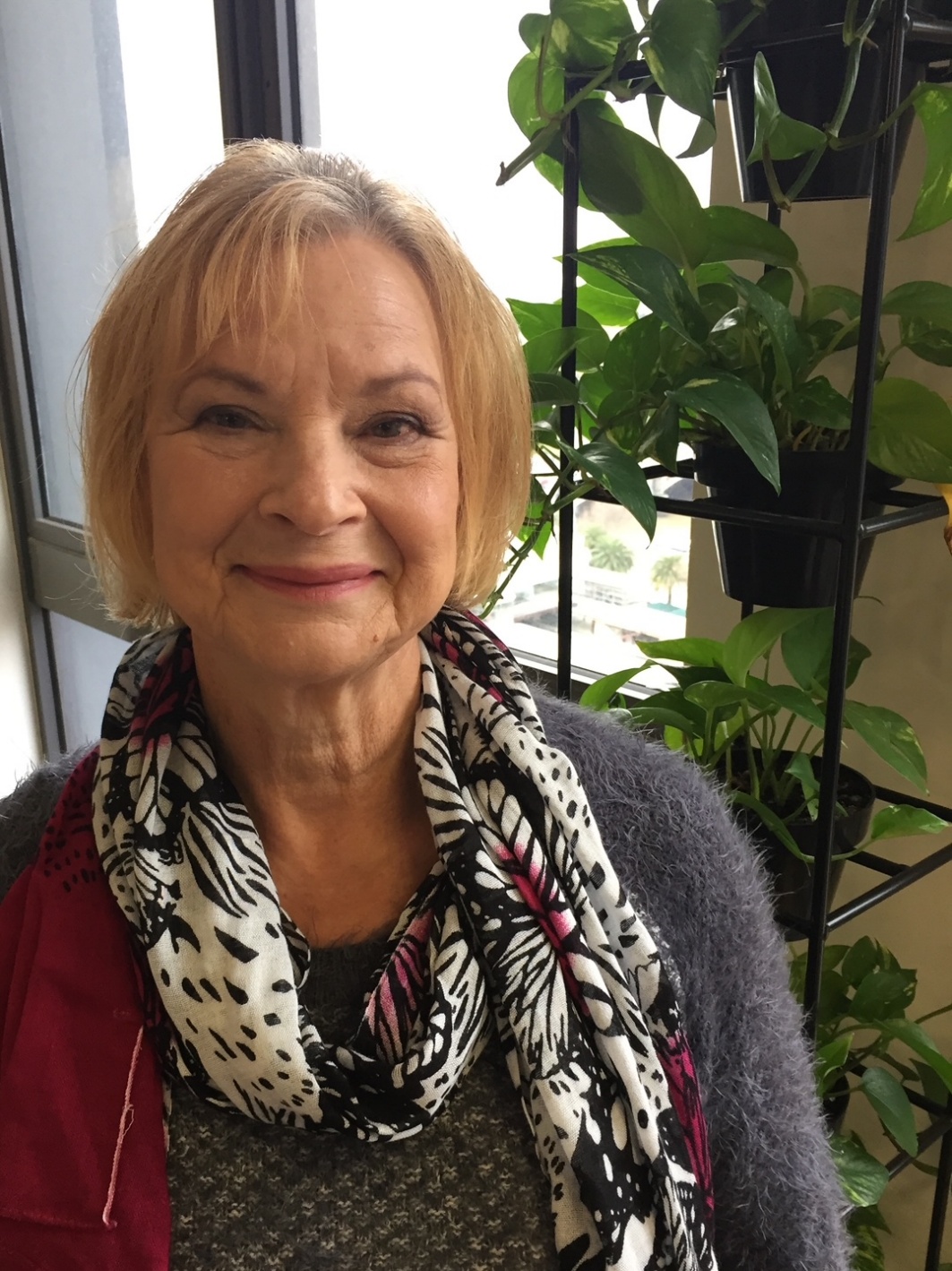
Pamela Maxwell
Chapter 2: Forgive Yourself To Enjoy True Emotional Freedom

David Hart
Chapter 5: From Stuck to Unstoppable! Unlock The Life You Were Born To Live
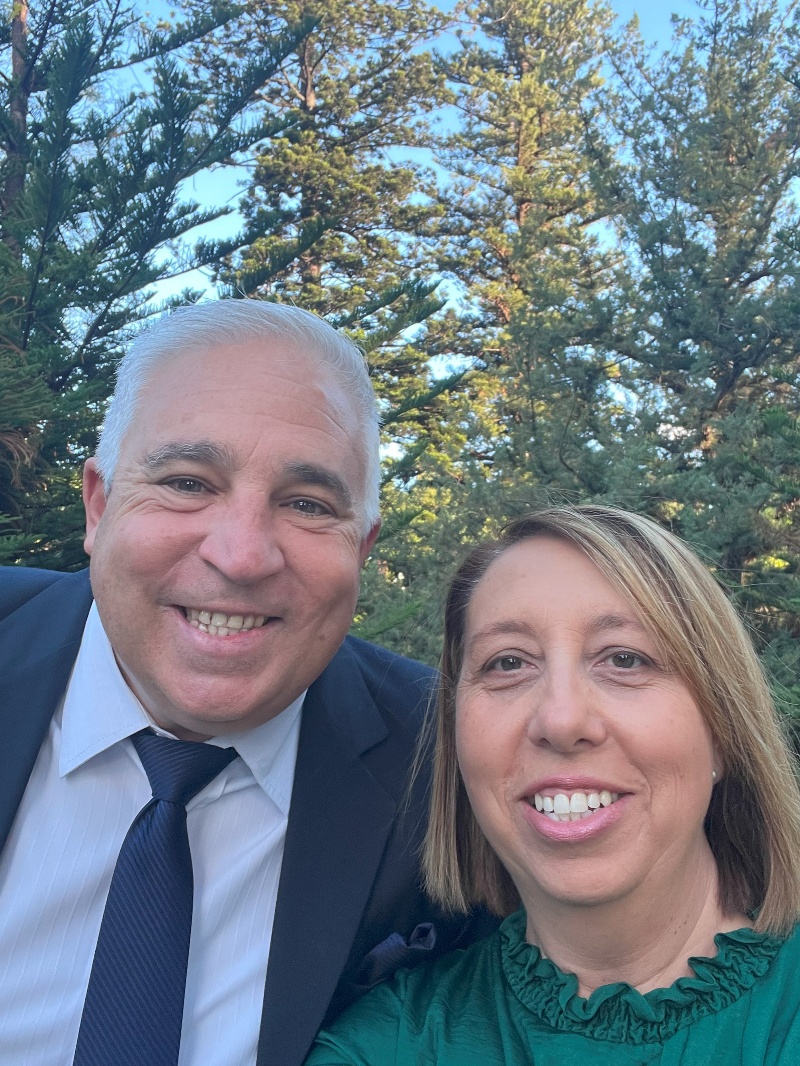
Jason Mammino
Chapter 8: Fear Is Poison | Break Free, Overcome Fear of Failure, Reclaim Your Potential, And Build a Life Of Confidence
Let other people experience the difference
In "It's Not About You", Peter Lombardo recalls watching a leader walk through an industrial site and speak comfortably with employees. The leader knew their names, their work and details of their lives. People did not scramble to look busy.
Peter had an example he could practice: listen before the problem becomes urgent, understand what people are carrying and remove obstacles instead of making yourself the answer to every task. Later, he helped another capable but overloaded leader begin developing people rather than handling everything personally.
That is the stage after the insight. A team needs repeated evidence that the interaction has changed. A child needs to experience safety. A partner needs another conversation in which their meaning is heard accurately.

Peter Lombardo
Chapter 7: It's Not About You | Lead Beyond Yourself For A Better Team And Better Results
Keep the person larger than the health story
Makeeta Hole describes pain and burnout reaching into the ordinary task of cooking dinner in "The Return to You". Support from Peter Millane developed into learning and the spiritual wellbeing work she later offered. The relationship and continuing care are central to her account.
Robyn Curnow's "The Autoimmune Comeback" connects a long personal health history with her later work. She attributes changes in her health to a lifestyle-retreat approach. Her reported outcome does not establish that another person can safely stop thyroid medication or that the approach treats thyroid disease.
These chapters show illness influencing identity and working life. They can prompt reflection on support and purpose without turning personal testimony into treatment advice.

Makeeta Hole
Chapter 1: The Return to You | Reboot with Light, Energy, Love, And Truth

Robyn Curnow
Chapter 6: The Autoimmune Comeback | Reclaim Your Energy And Break Free From Lifelong Medication
Give the turning point somewhere to go
David Cavanagh focuses on applying ability in "The Power of Massive Action". Pat Mesiti connects the new direction with practical preparation in "Reinvent Yourself". Pat's account of a friend studying alongside employment and family responsibilities includes the time and assistance that make change possible.

David Cavanagh
Chapter 9: The Power of Massive Action | Overcome Low Self-Esteem And Achieve Amazing Success

Pat Mesiti
Chapter 10: Reinvent Yourself | Transform Your Dreams Into Reality To Find Freedom
Peter's turning point changes the leader his team meets. Melanie's changes how a couple listens. Trent's brings help into a struggle he had been carrying. Jason's changes the response his son receives. The power of The Turning Point comes from seeing those moments together: a changed understanding becomes meaningful through what another person experiences next.
Pat and his students take that idea across family, work, identity and personal responsibility. The complete collection gives you several ways to examine a response you have repeated for years, including the beliefs and pressures behind it. Some stories may feel uncomfortably familiar. Others may help you understand someone whose behavior has puzzled you. Pat's vision for reinvention gives those discoveries somewhere to lead, beyond the moment when you first recognize that something must change.
Get your copy of The Turning Point and read the whole collection. Give yourself the time to recognize a different response, then carry it into the next conversation that matters.
GET THE COMPLETE BOOK
The Turning Point
Read the chapters together and follow the lessons across the whole book. Get the complete book on Amazon Kindle or listen on Audible.
