

INSIDE THE BOOK / PAT MESITI & CONTRIBUTORS
The goal is still there. The route you planned to take is gone.
It may be a family life that turns out differently, a business customers do not want or symptoms that change what a normal day allows. At that point, repeating the old plan can become its own problem.
In Adapt and Overcome, Pat Mesiti and his students show different ways to begin again. The chapters move from accepting changed circumstances to making a manageable attempt, asking for help and building a future around the information you now have.
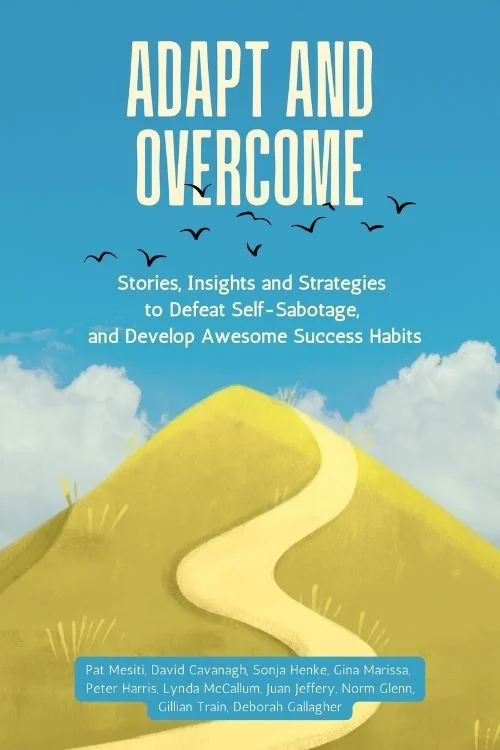
Investigate a future you can still want
Sonja Henke begins with "You Are Allowed To Dream Again". After accepting that her imagined family life would take another form, she explored places near the beach through day trips. Her daughter would soon start school, so the decision had practical consequences. Looking at possible locations let her test a future before committing to every detail.
Gina Marissa describes depletion in "Step Into Self Love". After selling the family business when functioning and working had become difficult, she began reconsidering how she treated her own needs. Sitting quietly outside was one small way of paying attention again.
These chapters make the first stage of adaptation less intimidating. You can explore a possibility or restore a neglected part of daily life before you have a complete plan. Sonja's day trips gave her information. Gina's pause gave her room to notice what had been missing.
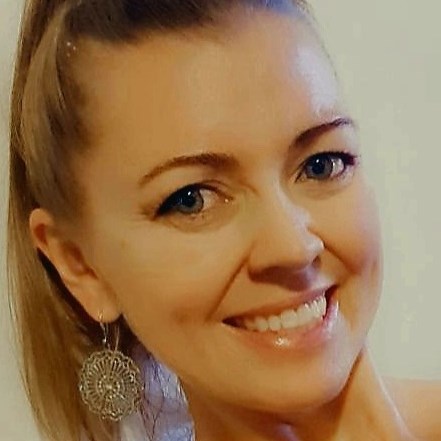
Sonja Henke
Chapter 1: You Are Allowed To Dream Again
 MINI BOOKYou Are Allowed To Dream AgainView paperback on Lulu
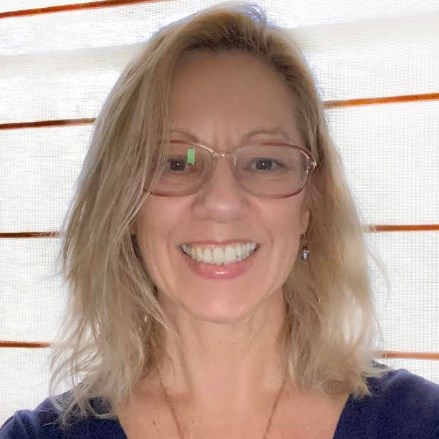
Gina Marissa
Chapter 2: Step Into Self Love
 MINI BOOKStep Into Self LoveView paperback on Lulu
Make the task small enough to approach
Lynda McCallum's "From Hoarding to Freedom" includes professional care, a friend's support and smaller goals after missed deadlines. A task that felt overwhelming became something she could approach again with help.
That detail matters. Reducing a goal is useful when it creates a real next attempt. It should also leave room to address the circumstances that made the larger task so difficult.
Deborah Gallagher widens the forms help can take in "Mentors Come in Many Forms". Books, conversations and other people's experience can all change a decision. Her background across retail, manufacturing and self-employment also shows that someone who advises others can still need guidance.
Lynda gives the reader permission to reduce the immediate demand. Deborah points toward people and resources that can improve the attempt. Together, they make adaptation a shared effort.

Lynda McCallum
Chapter 4: From Hoarding to Freedom
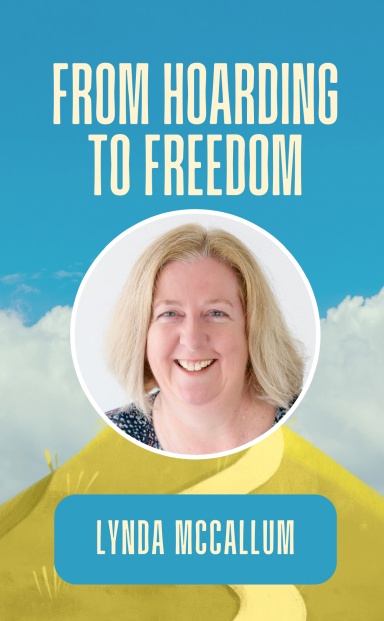 MINI BOOKFrom Hoarding to FreedomView paperback on Lulu
Deborah Gallagher
Chapter 8: Mentors Come in Many Forms
 MINI BOOKMentors Come in Many FormsView paperback on Lulu
Find out what your approach is producing
Norm Glenn brings careful observation to "The Knowledge, Skills, Attitude and Habits of Horse Training". When training horses, he considers whether a method protects both horse and person and leaves the horse calmer. The response helps him judge the method.
Juan Jeffery applies that discipline to business in "Seven Golden Secrets to Grow and Scale Your Business 100X or More". A technology startup had spent its capital developing products and pursuing certification before establishing a customer-focused strategy. Interviews and trial products exposed concerns over reliability, quality and missing capabilities. More production would have carried the same problems forward.
The connection is direct: look at the response before increasing the effort. Norm observes the horse. Juan listens to prospective customers. Both need information the original plan could not provide.
Peter Harris examines beliefs in "Be Careful What You Wish For... Your Subconscious Is Listening!". His account uses Theta Healing and a spiritual framework to discuss assumptions concerning money, worth and relationships. Those claims remain his interpretation. The question that fits this stage of the journey is whether an unexamined belief is preventing you from looking at the situation clearly.
Norm Glenn
Chapter 6: The Knowledge, Skills, Attitude and Habits of Horse Training
 MINI BOOKThe Knowledge, Skills, Attitude and Habits of Horse TrainingView paperback on Lulu

Juan Jeffery
Chapter 5: Seven Golden Secrets to Grow and Scale Your Business 100X or More
 MINI BOOKSeven Golden Secrets to Grow and Scale Your Business 100X or MoreView paperback on Lulu

Peter Harris
Chapter 3: Be Careful What You Wish For... Your Subconscious Is Listening!
 MINI BOOKBe Careful What You Wish For... Your Subconscious Is ListeningView paperback on Lulu
Build around the capacity you have
Gillian Train's "Vestibular Dysfunction & Migraine Rebalanced" describes returning to teaching, travel and creative work while continuing to experience vestibular symptoms. Participation grew alongside adjustments. Her life did not have to wait for a declaration that every symptom had disappeared.
Her chapter changes the way to read the book's title. Overcoming may mean finding a way to participate with an ongoing condition. It may mean changing the scale, pace or support around a worthwhile activity.
David Cavanagh argues for focused implementation in "Adapt to the Struggle and Overcome with Massive Action". The useful connection to Gillian's story is the need to choose the right action for the actual person and circumstances. Concentrated effort is valuable when the task is worth doing and the arrangement makes doing it possible.
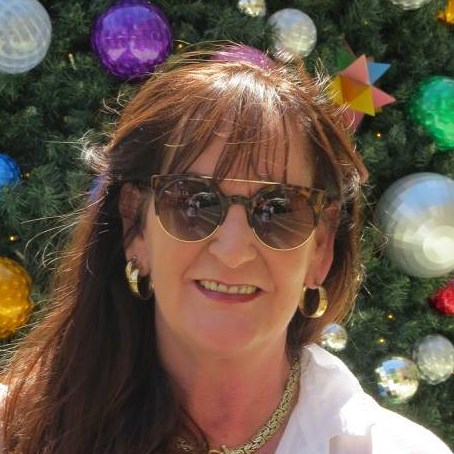
Gillian Train
Chapter 7: Vestibular Dysfunction & Migraine Rebalanced
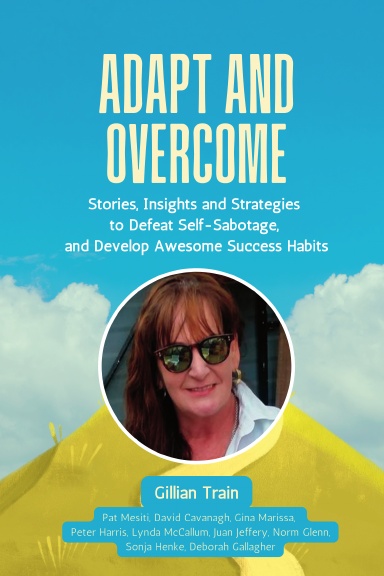 PERSONALIZED COMPILATIONAdapt and Overcome: Gillian TrainView paperback on Lulu

David Cavanagh
Chapter 9: Adapt to the Struggle and Overcome with Massive Action
Give the revised plan somewhere to lead
Pat Mesiti connects the changes to a future in "Overcome Any Obstacle with Personal Reinvention". His discussion of retraining includes the competing demands of employment, learning and family. Count the hours, find help and reconsider the timetable when it does not work.

Pat Mesiti
Chapter 10: Overcome Any Obstacle with Personal Reinvention
Sonja's changed plans, Lynda's patient help and Juan's willingness to test an idea all lead to the same demanding question: what can you do when the original plan no longer fits? Their answers differ because their circumstances differ. Reading them together gives Adapt and Overcome its depth. You see adaptation in ambition, care, work and everyday participation, with each experience adding another possible response.
Pat and his students make a case for staying involved in your own future even while its shape changes. The full collection lets you follow that idea beyond the first adjustment: find help, listen to feedback, reconsider the demand and build a direction you can sustain. There is value here for the person revising a business plan and for the person quietly trying to make tomorrow more manageable. Both need a future worth making room for.
Get your copy of Adapt and Overcome and read the complete collection. The plan may have changed. You still have decisions to make and a life to shape.
GET THE COMPLETE BOOK
Adapt and Overcome
Read the chapters together and follow the lessons across the whole book. Get the complete book on Amazon Kindle or listen on Audible.
