

INSIDE THE BOOK / PAT MESITI & CONTRIBUTORS
Another late night. Another unfinished list. And the same problem waiting for you tomorrow.
Working harder can keep a bad arrangement alive for years. Pat Mesiti and the contributors to Course Correct ask you to interrupt that cycle: work out what needs to change before pouring more of yourself into it. Across 25 chapters, the book moves from the way you see yourself to the way you lead, communicate and organize a business. Each stage prepares you for the next. Confidence helps you begin; people and systems help you keep going.

Put the problem where you can see it
Kathy Heyche opens that journey with "Course Correct Failure Into Success". Her tool is an ordinary notepad. Write the crisis on one side of the page and possible solutions on the other. Then give the solutions a next step. A bad result stops being a verdict on your whole life and becomes a problem you can examine.
That distinction runs through Janice Hutton's "Course Correct Your Inner Lion or Lioness" and Joy Coulson's "Course Correct Your Toxic Thinking & Adopt the Millionaire Mindset". Janice challenges the self-image that rules opportunities out before you try. Joy connects the conversation in your head with gratitude, values and the value you give other people. Together, they ask you to notice both what you believe you can do and how you want to behave while doing it.
Hang Hough goes further in "Course Correct Your Self-Discovery & Change For Success Toward A Life Of Prosperity": whose version of success are you chasing? Her realization that successful women can have weaknesses makes room for a future built around a real person. Dr. Gabriele Rödter supplies a way to practice that honesty in "Course Correct Self-Leadership to Active Change": become aware of your response, reflect on it and choose how to act.
Here is the first correction: describe the difficulty without turning it into your identity. "I haven't learned this yet" leaves you somewhere to go.

Kathy Heyche
Chapter 1: Course Correct Failure Into Success
 MINI BOOKCourse Correct Mini: Kathy HeycheView paperback on Lulu

Janice Hutton
Chapter 4: Course Correct Your Inner Lion or Lioness
 PERSONALIZED COMPILATIONCourse Correct: Janice HuttonView paperback on Lulu

Joy Coulson
Chapter 5: Course Correct Your Toxic Thinking & Adopt the Millionaire Mindset
 MINI BOOKCourse Correct Mini: Joy CoulsonView paperback on Lulu

Hang Hough
Chapter 12: Course Correct Your Self-Discovery & Change For Success Toward A Life Of Prosperity
 MINI BOOKCourse Correct Mini: Hang HoughView paperback on Lulu

Dr. Gabriele Rödter
Chapter 8: Course Correct Self-Leadership to Active Change
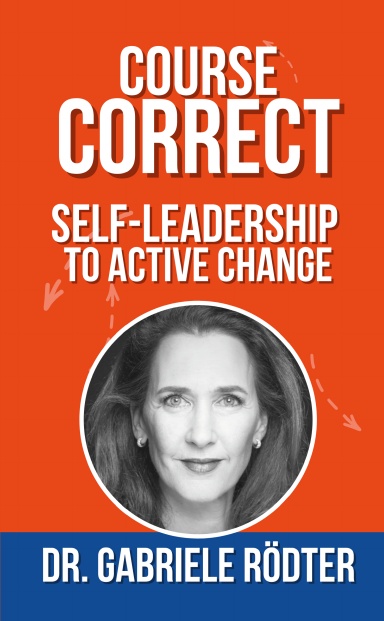 MINI BOOKCourse Correct Mini: Dr. Gabriele RödterView paperback on Lulu
Get support before demanding more of yourself
Some problems are hard to put into words. In "Course Correct Your Problems, Fears & Insecurities", Dave Peters describes writing down experiences and sending them ahead of appointments when speaking openly felt too difficult. Writing became a first step toward being heard.
Maria Warlow's "Course Correct Bullying, Oppression & Aggression" shows why that matters. Bullying can stay with someone long after an observer has dismissed it as teasing. Bronwyn Mitchell adds a "Resilience Toolbox" in "Course Correct With Resilience", including a support network. Persistence becomes more useful when you have someone to call.
Ann Hartwig brings this stage into daily life through "Course Correct Your Health, Activity & Exercise Routine". An exercise routine needs conditions that let you repeat it. The lesson carries beyond exercise: a plan that repeatedly collapses deserves examination. More self-criticism will not put time, energy or help into an overloaded day.

Dave Peters
Chapter 6: Course Correct Your Problems, Fears & Insecurities
 MINI BOOKCourse Correct Mini: Dave PetersView paperback on Lulu

Maria Warlow
Chapter 10: Course Correct Bullying, Oppression & Aggression
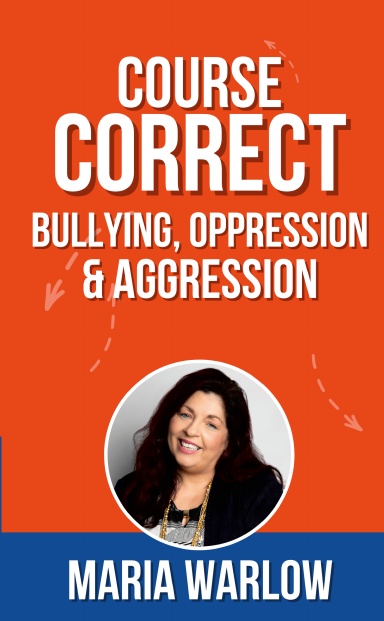 MINI BOOKCourse Correct Mini: Maria WarlowView paperback on Lulu

Bronwyn Mitchell
Chapter 11: Course Correct With Resilience
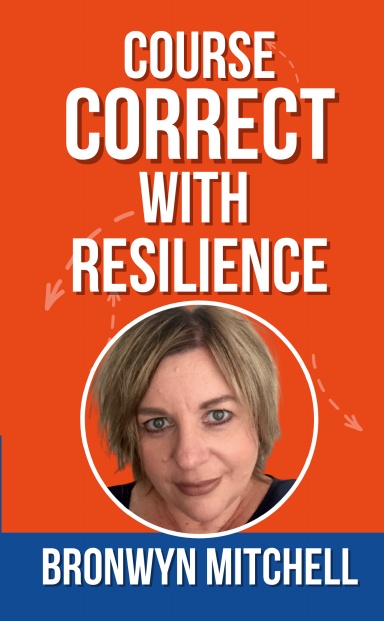 MINI BOOKCourse Correct Mini: Bronwyn MitchellView paperback on Lulu

Ann Hartwig
Chapter 9: Course Correct Your Health, Activity & Exercise Routine
 MINI BOOKCourse Correct Mini: Ann HartwigView paperback on Lulu
Grow into leadership, then help other people grow
Once you can see your own needs more clearly, you can stop expecting everyone else to work exactly as you do. Simonia Blassingame makes that point in "Course Correct With Your Inner Superpower", drawing on military and operational leadership. She learned to use her strengths rather than perform someone else's idea of an officer.
Jason Gavranic extends the lesson in "Course Correct Your Leadership": give people responsibility, build trust and develop the next generation. Dr. Gena Cox shows leadership under changed conditions in "Course Correct Your Leadership for a Changed & Disrupted World". When relationship-based work moved online during the pandemic, she had to adapt her communication and services to what clients needed.
Learning is part of that adjustment. In "Course Correct Your Learning, Focus & Growth", Hannes Jordaan describes finding audio, video and demonstrations more useful than trying to absorb everything from a book. Eric Carder offers index cards for goals, obstacles and possible solutions in "Course Correct Your Self-Encouragement & Growth Mindset". Both make improvement tangible: change the learning method, put the obstacle in front of you and ask for useful help.
This is where private confidence starts becoming public responsibility. Other people need clear expectations, usable instructions and room to learn.

Simonia Blassingame
Chapter 7: Course Correct With Your Inner Superpower
 MINI BOOKCourse Correct Mini: Simonia BlassingameView paperback on Lulu

Jason Gavranic
Chapter 3: Course Correct Your Leadership
 MINI BOOKCourse Correct Mini: Jason GavranicView paperback on Lulu

Dr. Gena Cox
Chapter 14: Course Correct Your Leadership for a Changed & Disrupted World
 MINI BOOKCourse Correct Mini: Dr. Gena CoxView paperback on Lulu

Hannes Jordaan
Chapter 15: Course Correct Your Learning, Focus & Growth
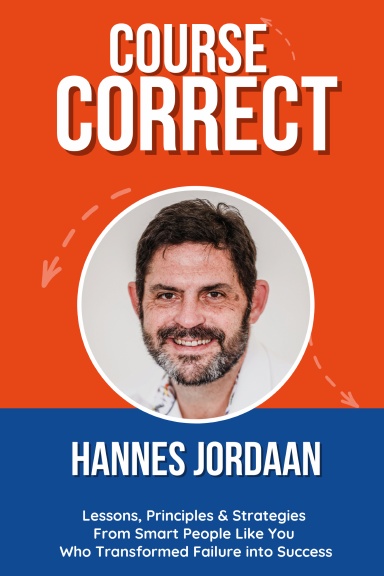 PERSONALIZED COMPILATIONCourse Correct: Hannes JordaanView paperback on Lulu

Eric Carder
Chapter 19: Course Correct Your Self-Encouragement & Growth Mindset
 MINI BOOKCourse Correct Mini: Eric CarderView paperback on Lulu
Make your expertise useful to a customer
Charlene Burke disliked the version of selling she imagined she had to perform. In "Course Correct Your Marketing & Sales Tactics", she works through the need to find customers and explain her services using her own strengths. Avoiding sales was leaving a necessary part of her business undone.
Charlie Diamond's "Course Correct Your Business Trajectory & Profit Strategy" begins with a lost speaking engagement. He responds by planning events he can organize himself. Barbara Hales applies the communication problem to medical practices in "Course Correct Your Medical Marketing Strategies": prospective patients need to find the practice and understand what it offers.
Then Chuck Hooper asks what happens once you have an audience. His "Course Correct Your Story Telling & Public Speaking" organizes a talk around the grab, the guts and the gotcha: earn attention, deliver substance and give the ending a purpose.
These chapters form a sequence. Decide whom you help. Explain the problem you solve. Reach those people. Make the explanation worth their attention. Each step gives the next one a reason to exist.

Charlene Burke
Chapter 13: Course Correct Your Marketing & Sales Tactics
Charlie Diamond
Chapter 16: Course Correct Your Business Trajectory & Profit Strategy
 MINI BOOKCourse Correct Mini: Charlie DiamondView paperback on Lulu

Dr. Barbara Hales
Chapter 17: Course Correct Your Medical Marketing Strategies
 MINI BOOKCourse Correct Mini: Barbara HalesView paperback on Lulu

Chuck Hooper
Chapter 23: Course Correct Your Story Telling & Public Speaking
 MINI BOOKCourse Correct Mini: Chuck HooperView paperback on Lulu
Build a business that can carry the work
Success creates a fresh problem when every task still needs the owner. David Warlow addresses that dependence in "Course Correct Your Business System & Income Generation". John Jonas tackles the hesitation to hand work over in "Course Correct Your Day and Life… Get Tasks "Off Your Plate"". Begin with a task you understand well enough to demonstrate and assess.
Robert Plank contributes "Course Correct Your Delegating, Outsourcing & Hiring Strategy", continuing the discussion of delegation, outsourcing and hiring. His place in this collection is practical: once demand grows, someone has to decide how the work gets done and who can help do it.
Preparation also matters before accepting a new opportunity. Johnoson Crutchfield's "Course Correct Your Real Estate Mindset" pairs willingness to act with questions and planning. David Cavanagh brings urgency in "You'll Always Be Stuck In A Rut Until You Start Taking Massive Action In Your Life". He describes possessing valuable marketing skills while struggling to pay rent; concentrating his effort became more useful than collecting another compliment.
The larger lesson is that ability needs a working arrangement. Customers, colleagues and family cannot live indefinitely on what you intend to do.

David Warlow
Chapter 20: Course Correct Your Business System & Income Generation
 MINI BOOKCourse Correct Mini: David WarlowView paperback on Lulu

John Jonas
Chapter 21: Course Correct Your Day and Life… Get Tasks "Off Your Plate"
 MINI BOOKCourse Correct Mini: John JonasView paperback on Lulu

Robert Plank
Chapter 22: Course Correct Your Delegating, Outsourcing & Hiring Strategy

Johnoson Crutchfield
Chapter 18: Course Correct Your Real Estate Mindset

David Cavanagh
Chapter 2: You'll Always Be Stuck In A Rut Until You Start Taking Massive Action In Your Life
Give the correction a future worth building
Pat Mesiti brings the chapters together in "Mastering The Art Of Vision & Personal Reinvention". Vision gives change a direction. His example of a friend retraining while working and raising a family includes the details that make reinvention possible: count the hours, plan the study time, ask for help and revise a schedule that is wearing you out.
Chris Cordwell adds a purpose for the capacity you gain in "Course Correct Giving & Receiving". Time and money can make room for generosity, including ordinary acts of help. A better business should let you contribute to a better life.

Pat Mesiti
Chapter 25: Mastering The Art Of Vision & Personal Reinvention

Chris Cordwell
Chapter 24: Course Correct Giving & Receiving
 PERSONALIZED COMPILATIONCourse Correct: Chris CordwellView paperback on Lulu
That is the reach of Course Correct. Kathy's notebook helps you face the problem. The chapters on confidence and resilience help you stay with it. Leadership, communication and delegation let you build something other people can help sustain. Pat's vision and Chris's generosity give that work a purpose beyond surviving another crowded week. Read together, the 25 chapters take you from a recurring frustration to the larger question of what your life and business could become.
The value is in following those connections. You may arrive looking for a better way to manage your time and discover that the missing piece is trust. You may want more customers and find that your business first needs a way to handle the work. Pat and his fellow contributors give you different places to look, with experience you can weigh against your own.
Get your copy of Course Correct and read the complete collection. Give yourself the chance to change the course that keeps bringing you back to the same problem.
GET THE COMPLETE BOOK
Course Correct
Read the chapters together and follow the lessons across the whole book. Get the complete book on Amazon Kindle or listen on Audible.
