

INSIDE THE BOOK / PAT MESITI & CONTRIBUTORS
Six children. An unfinished house. A terminal cancer diagnosis.
Deb Martin and her husband Pete had painful decisions to make while ordinary responsibilities kept arriving. Deb suggested that they both document healthcare and funeral wishes. They could face the task together.
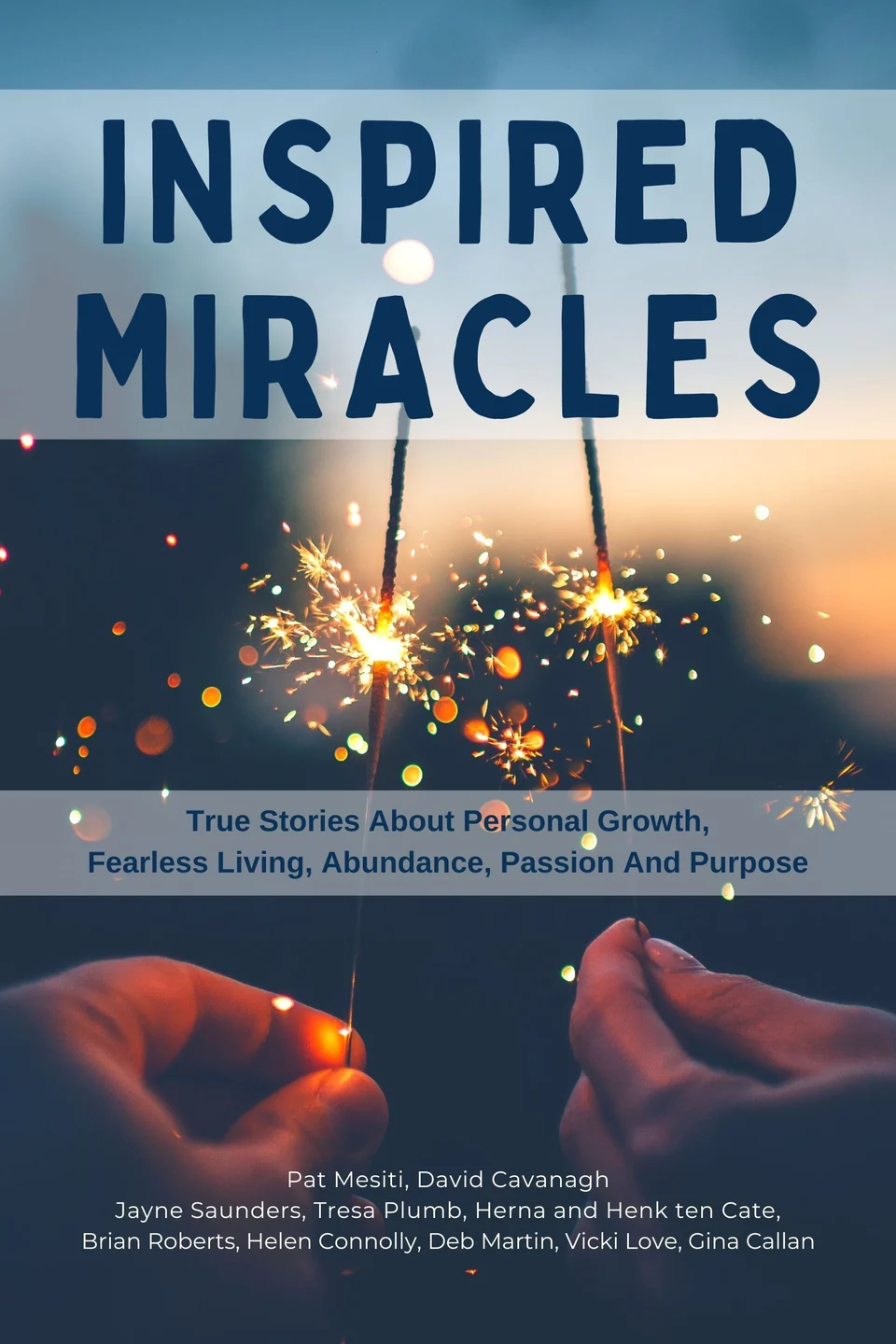
Inspired Miracles places that kind of participation beside the stories of Pat Mesiti and his students. The chapters connect hope with preparation, care, learning and service. Their accounts differ, including in their spiritual beliefs, but repeatedly bring the reader back to what one person can do for another.
Have the conversation while you can
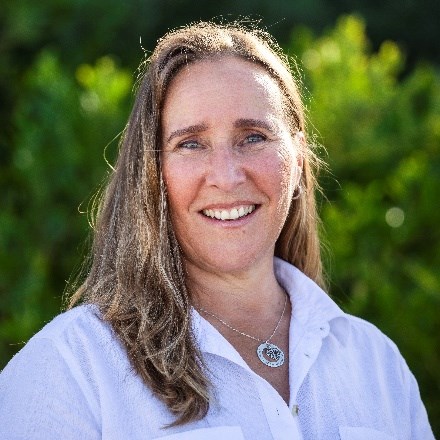
Deb Martin's "The Life Miracle" makes love visible in preparation. Talking through wishes helped the family face decisions that would otherwise remain unclear. Pete's illness could not be made simple; the conversation still mattered.
Tresa Plumb describes another struggle to be understood in "The Resilience Miracle". Her eldest son received an autism diagnosis shortly before turning eighteen. She recalls adults interpreting his difficulty answering questions as deliberate behavior. The gap between their assumptions and his needs affected the support he received.
These chapters begin with attention to the person in front of you. Ask what needs to be understood before a decision is made. Sometimes that means recording a loved one's wishes. Sometimes it means questioning the explanation a school or other service has accepted.
Deb Martin
Chapter 1: The Life Miracle | Love, Loss & Legacy
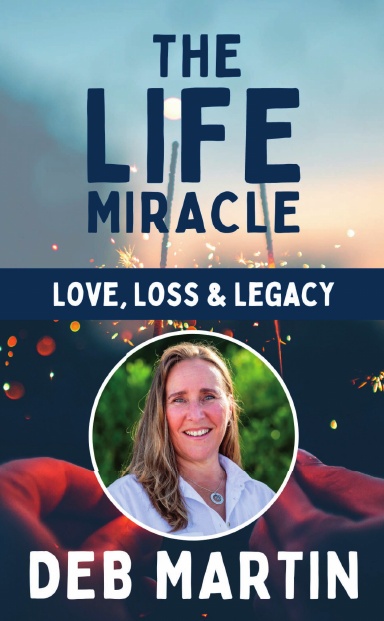 MINI BOOKThe Life Miracle: Deb MartinView paperback on Lulu

Tresa Plumb
Chapter 4: The Resilience Miracle | Adapt, Survive & Thrive As The Parent Of An Undiagnosed Autistic Child
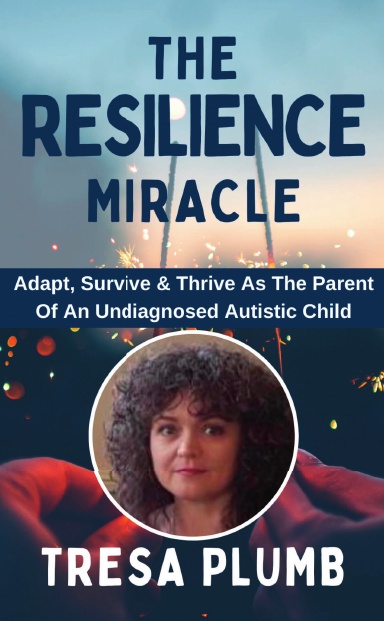 MINI BOOKThe Resilience Miracle: Tresa PlumbView paperback on Lulu
Turn care into something people can rely on
Herna ten Cate and Henk ten Cate make partnership practical in "The Love Miracle". After their daughter's diabetes diagnosis, one parent packed food and testing equipment while the other handled midnight checks. They divided work around their strengths.
Gina Callan connects shared aspirations with everyday participation in "Relationship Mastery". Her D.A.N.C.E. framework includes awareness, nurturing, connection and emotional regulation. A hoped-for relationship becomes a continuing responsibility.
Deb's conversation clarifies what matters. Herna and Henk's division of work makes care dependable. Gina brings attention to how partners keep relating while they carry those responsibilities. The steps build on one another because affection alone does not decide who does what tomorrow.

Herna and Henk ten Cate
Chapter 6: The Love Miracle | Create A Thriving Respectful Relationship With Your Life Partner
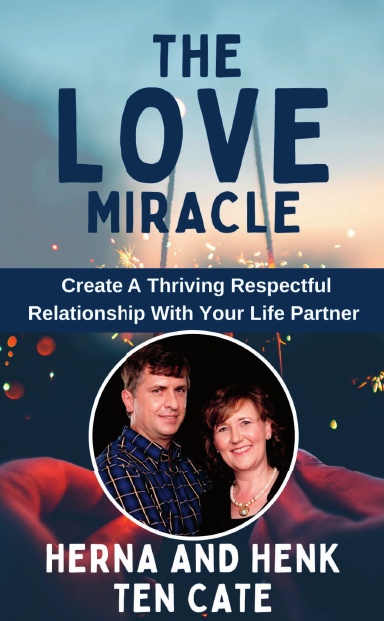 MINI BOOKThe Love Miracle: Herna and Henk ten CateView paperback on Lulu

Gina Callan
Chapter 5: Relationship Mastery | The Miraculous Dance of Love
Give learning the time this person needs
Brian Roberts allowed himself three months for a forklift theory test others commonly passed in three days. In "The Failure Miracle", he describes paying for the course, studying most days and barely passing.
That detail gives persistence an honest scale. The effort is substantial even when the result looks ordinary from outside. Another person's timetable cannot tell you how much work an achievement required.
Helen Connolly turns attention to daily wellbeing in "The Health Miracle". Her interest grew through family experiences of serious illness and her work and study in fitness and nutrition. Her chapter considers ongoing choices; it should be read as her perspective, with individual health decisions discussed with appropriate professionals.
Brian and Helen bring the journey into repeated activity. The useful question is what a person can continue doing with the support available, rather than whether their progress looks dramatic enough to count.
Brian Roberts
Chapter 3: The Failure Miracle | Persist Through Your Fears, Struggles & Obstacles With Enthusiasm
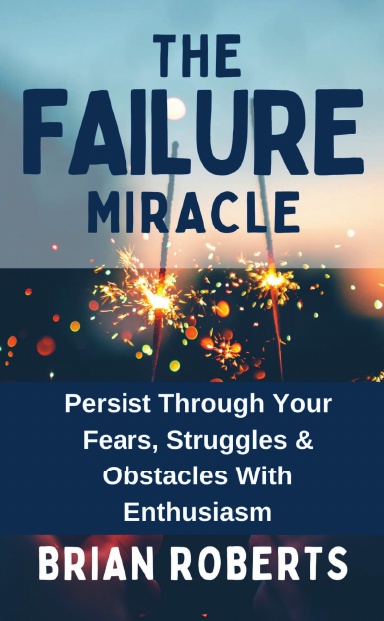 MINI BOOKThe Failure Miracle: Brian RobertsView paperback on Lulu
Helen Connolly
Chapter 2: The Health Miracle | Treat Your Body Well To Live A Long & Enjoyable Life
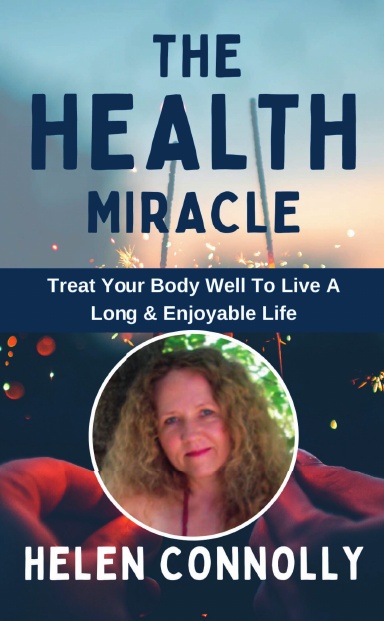 MINI BOOKThe Health Miracle: Helen ConnollyView paperback on Lulu
Put experience to work for someone else
Jayne Saunders's "The Money Miracle" includes a franchise purchase that ended in the loss of her business and home, court proceedings and bankruptcy. Later opportunities became more useful when they connected to building and property experience she already understood.
One began with a friend's unresolved land purchase. Jayne investigated and reports helping secure the return of the money. The story shows her applying relevant knowledge to a specific problem, rather than chasing another unfamiliar opportunity.
Vicki Love extends the question toward security and service in "The Legacy Miracle". Her concern includes housing insecurity for women over fifty and what accumulated resources should accomplish. The enduring question is whose life those resources are meant to improve; her financial predictions are not a basis for an investment decision.
The connection to the earlier chapters is care expressed through useful work. A skill, a clear plan or the willingness to investigate can become something another person can depend on.
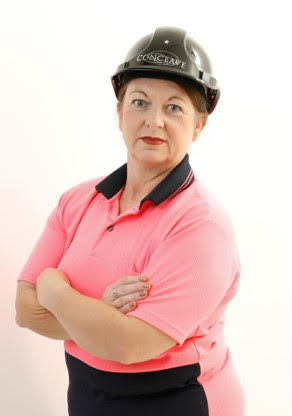
Jayne Saunders
Chapter 8: The Money Miracle | Embrace Your Calling, Be Different, Take Risks, And Succeed
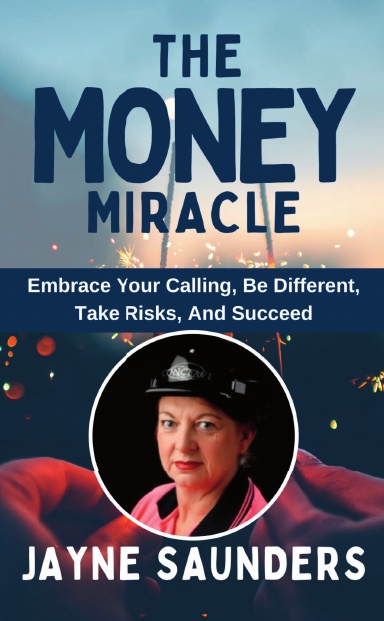 MINI BOOKThe Money Miracle: Jayne SaundersView paperback on Lulu

Vicki Love
Chapter 7: The Legacy Miracle | Embrace Change & Secure Your Financial Freedom
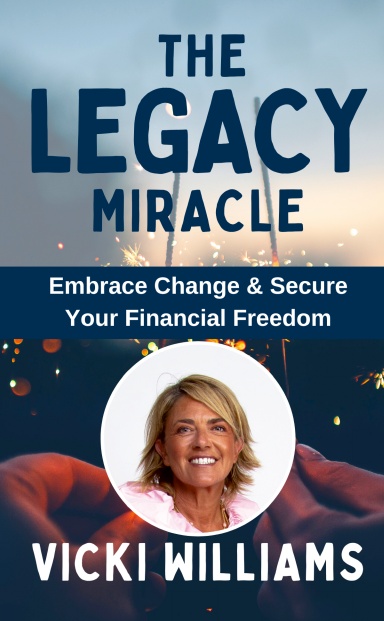 MINI BOOKThe Legacy Miracle: Vicki WilliamsView paperback on Lulu
Give hope a place in the week
David Cavanagh presses for implementation in "The Massive Action Miracle". Pat Mesiti gives reinvention a timetable in "The Personal Reinvention Miracle". Pat's account of a friend combining employment, family and study includes planning and asking for assistance.

David Cavanagh
Chapter 9: The Massive Action Miracle

Pat Mesiti
Chapter 10: The Personal Reinvention Miracle
The strongest reason to read Inspired Miracles is the company its stories keep. Deb's family faces an ending they cannot change. Tresa learns to understand her son's needs. Herna and Henk turn care into dependable daily work. Brian persists through learning that takes longer than expected. Together, these accounts give hope weight: people deciding how to care, learn and contribute while the outcome remains uncertain.
Pat and his students carry that question into work, family, faith and the legacy a person hopes to leave. The complete collection makes room for both the life you want and the life that is asking something of you now. A story you open for encouragement may lead you to a difficult conversation. Another may help you recognize the value of help already within your reach. Their strength accumulates as you read them together.
Get your copy of Inspired Miracles and read the full collection. Spend time with people who kept finding reasons to participate, and consider what their experiences ask of you while there is still time to act.
GET THE COMPLETE BOOK
Inspired Miracles
Read the chapters together and follow the lessons across the whole book. Get the complete book on Amazon Kindle or listen on Audible.
